

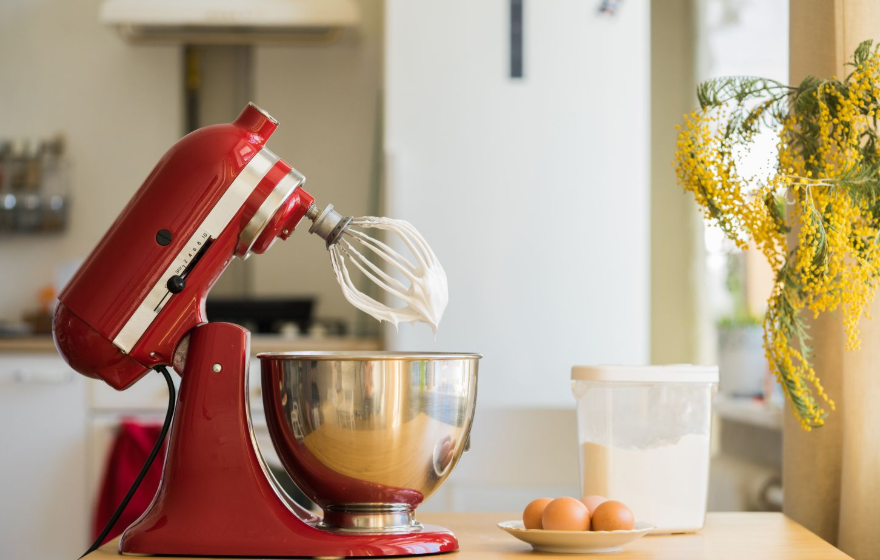
Walk into any serious home kitchen, and chances are you’ll spot a Stand Mixer brands in Germany proudly sitting on the countertop like a badge of honor. It’s not just another appliance—it’s the backbone of countless recipes, from fluffy birthday cakes to rustic homemade bread. A stand mixer is one of those tools that quietly changes the way you cook. At first, it might seem like a luxury. After all, people baked cakes long before stand mixers existed, right? True. But once you experience the ease, consistency, and sheer power of a stand mixer, it’s hard to imagine going back.
Think of a stand mixer as your tireless kitchen assistant. It never complains, never gets tired, and never cuts corners. While your hands are free to prep ingredients, clean up, or sip your coffee, the mixer handles the heavy lifting. Kneading dough by hand can feel like an arm workout you didn’t sign up for, especially when dealing with dense bread doughs. A stand mixer tackles that job effortlessly and with precision every single time.
A Brief History of the Stand Mixer
From Industrial Kitchens to Home Essentials
The stand mixer didn’t start out as a cozy kitchen companion. Its roots trace back to the late 19th and early 20th centuries, when large mechanical mixers were designed for commercial bakeries. These early machines were massive, loud, and built for volume, not elegance. Their purpose was simple: save time and labor in environments where hand-mixing was inefficient and exhausting.
The breakthrough came when inventors began adapting this technology for home use. The idea was revolutionary—bring professional-level mixing power into everyday kitchens. Early home stand mixers were still bulky and expensive, making them accessible mainly to wealthy households. But as manufacturing improved and demand grew, designs became more compact, affordable, and user-friendly.
How Stand Mixers Changed Home Baking Forever
Once stand mixers entered mainstream homes, baking changed dramatically. Recipes expanded. Techniques improved. Suddenly, making yeast bread at home didn’t feel intimidating. Whipping egg whites to stiff peaks was no longer a test of patience and forearm strength. Stand mixers democratized baking, giving everyday cooks access to tools that made professional-quality results achievable.
Over time, manufacturers refined motors, added speed controls, and introduced interchangeable attachments. The stand mixer evolved from a single-purpose machine into a multi-functional kitchen hub. Today, it’s not uncommon for a stand mixer to outlive several other appliances, passed down or kept for decades. That longevity speaks volumes about its impact and value.
How a Stand Mixer Works
The Motor: The Heart of the Machine
At the core of every stand mixer lies its motor. This is where the magic begins. The motor converts electrical energy into mechanical power, driving the mixing action. Higher-quality stand mixers use robust motors designed to handle thick doughs and long mixing times without overheating. Unlike hand mixers, which often struggle under heavy loads, stand mixers are built for endurance.
Motor power is typically measured in watts or horsepower, but raw numbers don’t tell the whole story. Gear-driven motors, often found in premium models, deliver power more efficiently and last longer. It’s like the difference between a sports car engine and a lawnmower—both move, but one does it with far more finesse.
Planetary Mixing Action Explained
One of the defining features of many stand mixers is planetary mixing action. Sounds fancy, but it’s actually quite simple. The attachment rotates on its own axis while simultaneously moving around the bowl, much like planets orbiting the sun. This motion ensures every inch of the bowl is covered, eliminating unmixed pockets of ingredients.
The result? Smoother batters, evenly kneaded dough, and perfectly whipped creams. You don’t have to stop constantly to scrape the bowl, which saves time and keeps your workflow smooth. It’s one of those engineering details you don’t notice—until you use a mixer without it.
Bowl-Lift vs Tilt-Head Mechanisms
Stand mixers generally come in two designs: bowl-lift and tilt-head. Tilt-head models allow the motor head to tilt back, making it easy to add ingredients and change attachments. They’re compact and popular for home kitchens with limited space.
Bowl-lift mixers, on the other hand, raise and lower the bowl using a lever. These models are often more powerful and stable, making them ideal for heavy doughs and large batches. Choosing between the two depends on your cooking habits, available space, and personal preference.
Types of Stand Mixers
Tilt-Head Stand Mixers
Tilt-head stand mixers are often the first choice for home bakers. They’re approachable, easy to use, and visually appealing. With a simple tilt of the head, you gain full access to the bowl. This design makes adding ingredients or switching attachments quick and intuitive.
These mixers typically have slightly smaller capacities, which is perfect for everyday baking—cookies, cakes, muffins, and occasional bread. If you bake in moderate quantities and value convenience, a tilt-head model feels like a natural fit.
Bowl-Lift Stand Mixers
Bowl-lift stand mixers are the workhorses of the stand mixer world. Built for power and stability, they handle dense doughs and large batches with ease. The bowl locks into place and lifts toward the attachments, providing extra support during heavy mixing.
These models are often favored by serious bakers, large families, or anyone who regularly makes bread. They may take up more counter space, but they reward you with performance and durability.
Commercial vs Residential Models
Commercial stand mixers are designed for professional kitchens. They’re larger, more powerful, and significantly more expensive. Residential models, while smaller, often borrow features from their commercial cousins, offering impressive performance for home use. Unless you’re running a bakery from your kitchen, a high-quality residential stand mixer is more than sufficient.
Key Components of a Stand Mixer
Mixing Bowls: Materials and Sizes
The mixing bowl might look like a simple container, but it plays a huge role in how effective and enjoyable your stand mixer experience is. Most stand mixers come with bowls made from stainless steel, glass, or sometimes ceramic. Stainless steel bowls are the most common—and for good reason. They’re lightweight, durable, resistant to stains, and easy to clean. They also handle temperature changes well, which is helpful when working with warm doughs or chilled creams.
Glass bowls, on the other hand, offer visibility. You can actually see how well your ingredients are mixing without stopping the machine. That’s a small detail, but it feels surprisingly satisfying. Ceramic bowls add a touch of style and personality to the kitchen, though they’re heavier and require more careful handling.
Size matters just as much as material. Bowls typically range from 3.5 quarts to 8 quarts or more. A smaller bowl is great for compact kitchens and simple recipes, while larger bowls shine when you’re baking in bulk or working with bread dough. Choosing the right size is like choosing the right backpack—you want enough space without unnecessary bulk.
Attachments: Dough Hook, Flat Beater, Wire Whip
Attachments are where the stand mixer truly earns its reputation as a multitasker. The flat beater is your everyday hero, perfect for mixing batters, creaming butter and sugar, and combining ingredients evenly. It’s the attachment you’ll reach for most often.
The dough hook is designed for kneading yeast doughs. Instead of wearing out your hands, the hook stretches and folds the dough with consistent motion, helping develop gluten properly. The result? Elastic, well-structured dough that bakes beautifully.
Then there’s the wire whip, a lightweight attachment built for incorporating air. It’s ideal for whipping cream, beating egg whites, and making light frostings. Each attachment has a specific purpose, and using the right one makes a noticeable difference in texture and quality.
Speed Controls and Power Settings
Stand mixers typically offer multiple speed settings, allowing you to control how aggressively ingredients are mixed. Low speeds are perfect for gently combining dry ingredients, while higher speeds whip and aerate. The key is gradual control. Jumping straight to high speed can lead to flour clouds and messy countertops—a lesson most people learn once.
Good speed control gives you precision, which is especially important in baking. It’s like having different gears in a car—you wouldn’t drive everywhere in first gear or floor it all the time. Balance is everything.
Stand Mixer Attachments That Go Beyond Baking
Pasta Rollers and Cutters
One of the most exciting things about owning a stand mixer is discovering just how far it can go beyond cakes and cookies. Pasta attachments turn your mixer into a fresh pasta machine. Rolling dough into silky sheets and cutting it into fettuccine or spaghetti suddenly becomes achievable at home.
Homemade pasta has a texture and flavor that store-bought versions can’t match. Once you try it, it’s hard to go back. And because the mixer handles the rolling, you’re free to focus on shaping and cooking.
Meat Grinders and Sausage Stuffers
With the right attachment, a stand mixer can grind meat for burgers, meatballs, or sausages. This opens the door to better control over quality, fat content, and seasoning. Grinding your own meat feels empowering—it’s one of those skills that makes you feel like a true home cook.
Sausage-stuffing attachments take things even further, allowing you to experiment with flavors and create custom blends. It’s a game-changer for anyone who enjoys cooking from scratch.
Vegetable Spiralizers and Food Processors
Spiralizing vegetables, slicing cucumbers, shredding cheese—these tasks become effortless with stand mixer attachments. Instead of juggling multiple appliances, your mixer becomes a central hub. It saves space, time, and cleanup, which is always a win in the kitchen.
Ice Cream Makers and More
Yes, you can even make ice cream with a stand mixer. Attachments allow you to churn frozen desserts at home, from classic vanilla to adventurous flavors. It’s proof that a stand mixer isn’t just an appliance—it’s a platform for creativity.
Why a Stand Mixer Is Better Than a Hand Mixer
Power and Consistency
Hand mixers have their place, but they can’t compete with the raw power of a stand mixer. Stand mixers handle dense doughs and long mixing sessions without strain. They deliver consistent results, which is critical when precision matters.
Hands-Free Convenience
One of the biggest advantages is the hands-free operation. While the mixer works, you can prep ingredients, clean up, or simply take a breath. It turns cooking into a more relaxed, enjoyable experience.
Multitasking Made Easy
Because it’s stationary and stable, a stand mixer allows true multitasking. It’s like having an extra pair of hands—strong, steady, and always available.
Stand Mixer for Baking Enthusiasts
Perfect Doughs Every Time
Kneading dough by hand is an art, but it’s also tiring and inconsistent. A stand mixer provides uniform kneading, developing gluten properly and saving energy.
Cakes, Cookies, and Frostings Made Easy
Creaming butter and sugar, mixing batters, whipping frosting—these tasks become quick and predictable. That reliability builds confidence and encourages experimentation.
Precision and Repeatability
Once you know how your mixer behaves, you can replicate recipes with ease. That consistency is invaluable, especially when baking for others.
Conclusion
A stand mixer is more than a machine—it’s a partner in creativity. It supports beginners, empowers experienced cooks, and transforms everyday cooking into something smoother and more enjoyable. Whether you’re baking your first loaf of bread or perfecting a family recipe, a stand mixer stands by your side, steady and reliable. It’s an investment not just in your kitchen, but in the joy of cooking itself.
